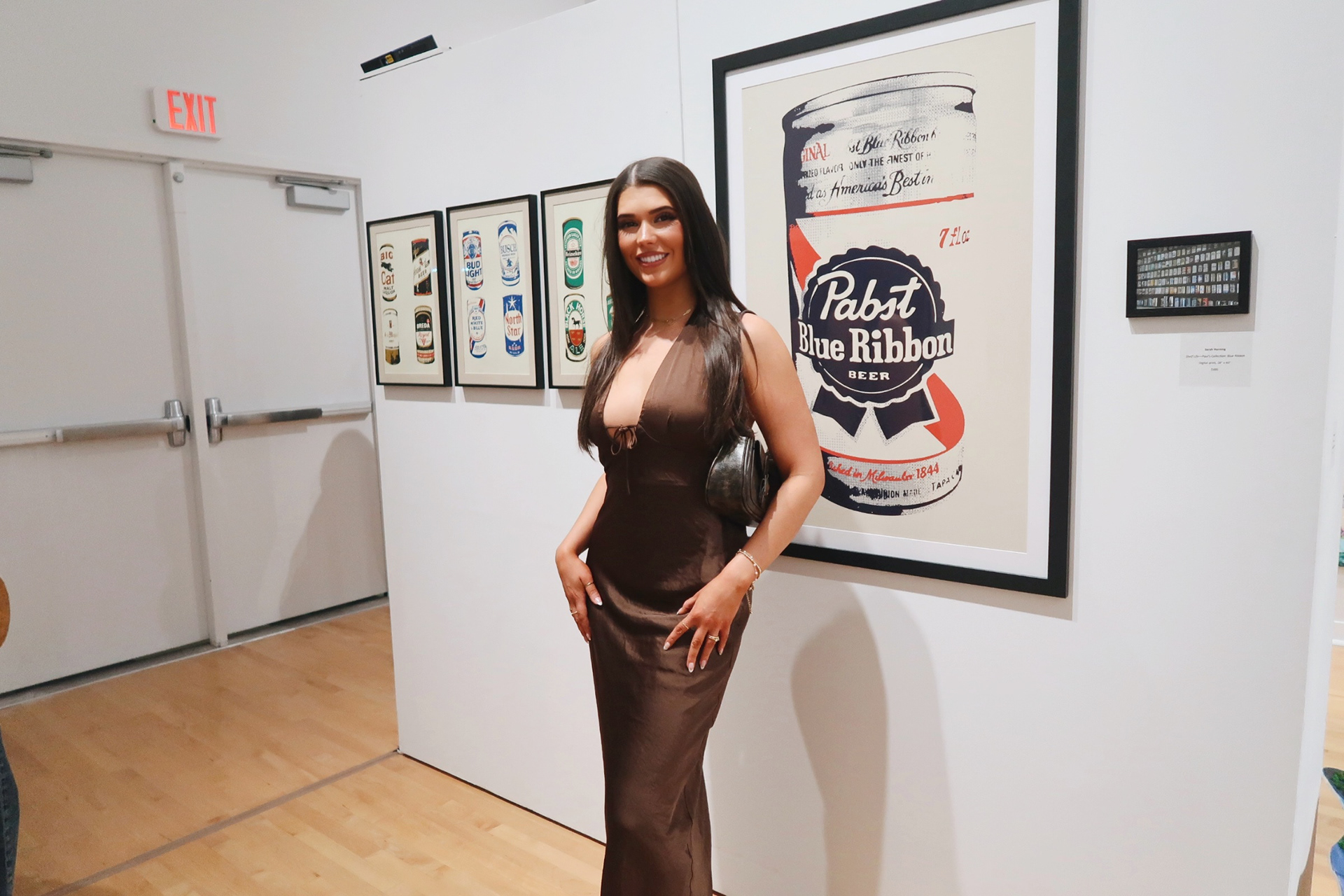
SHELF LIFE – PAUL'S COLLECTION
2025
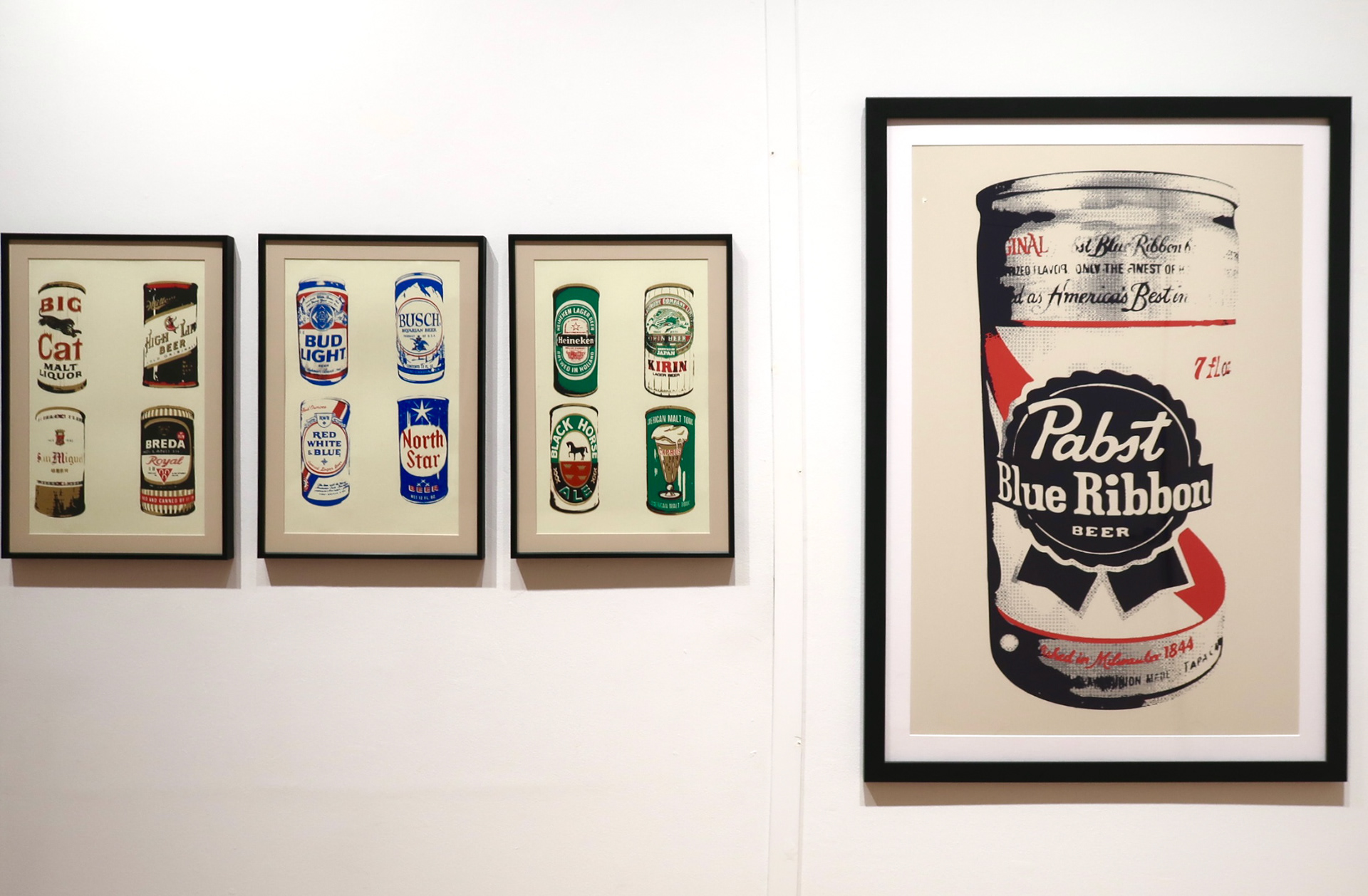
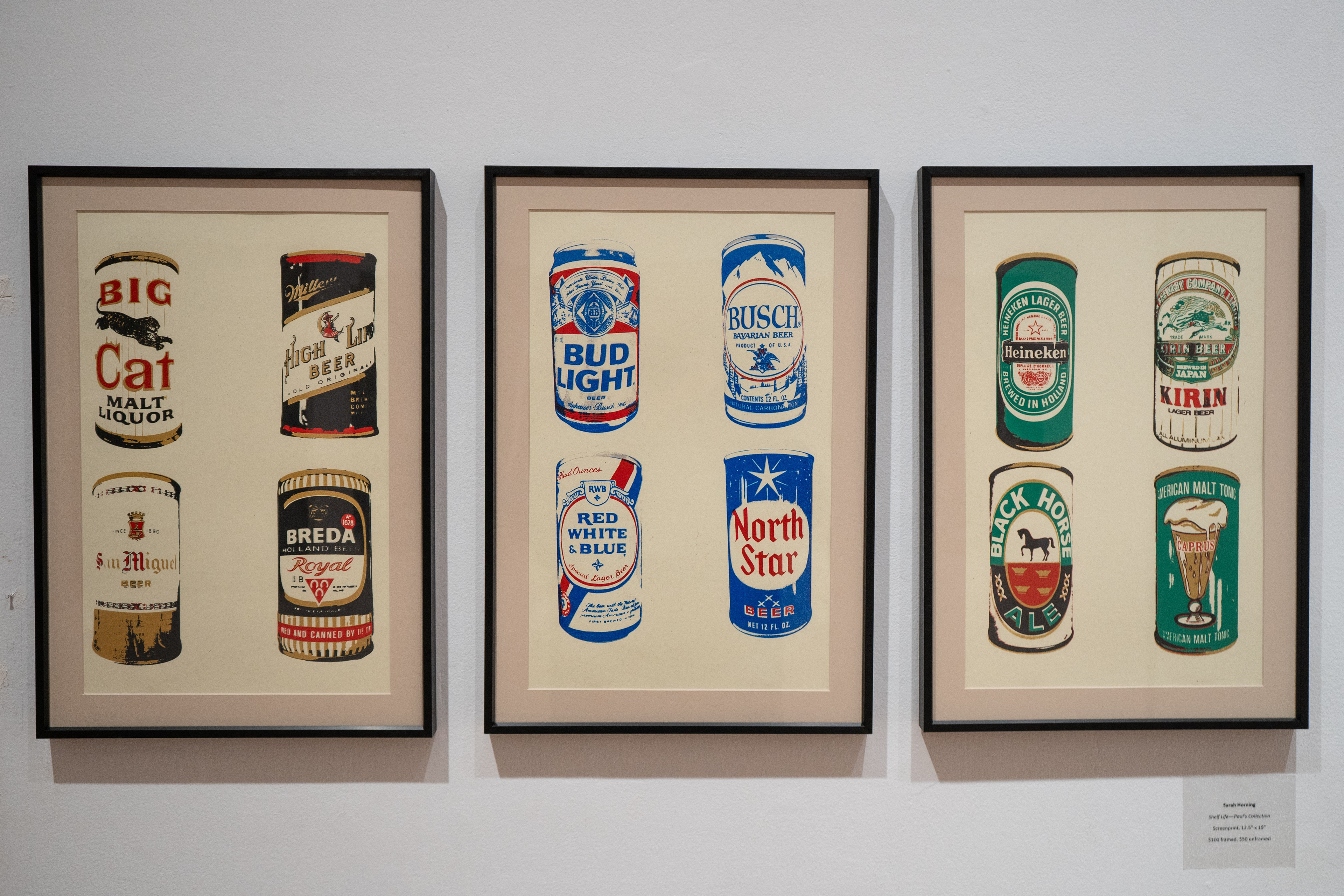
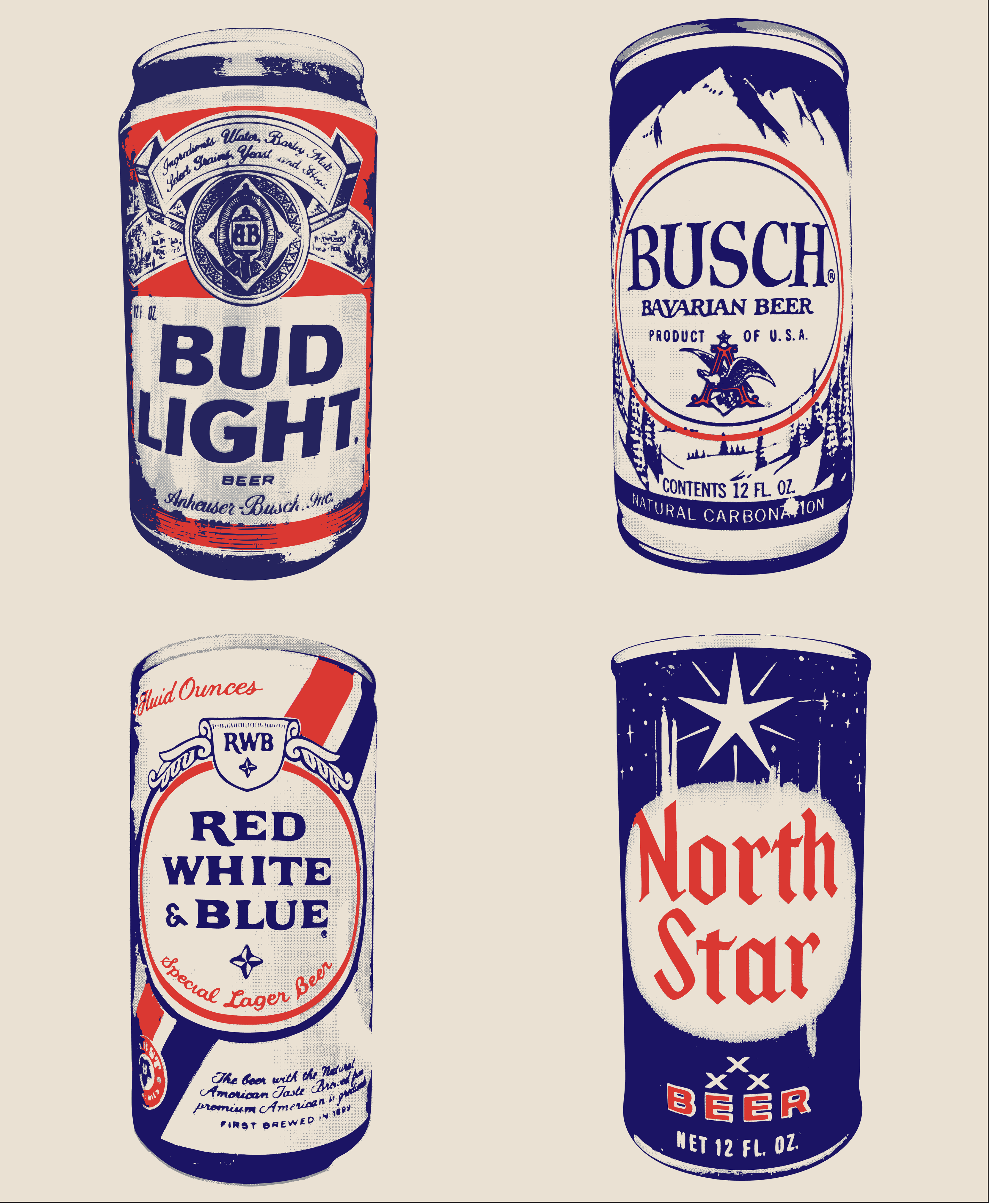
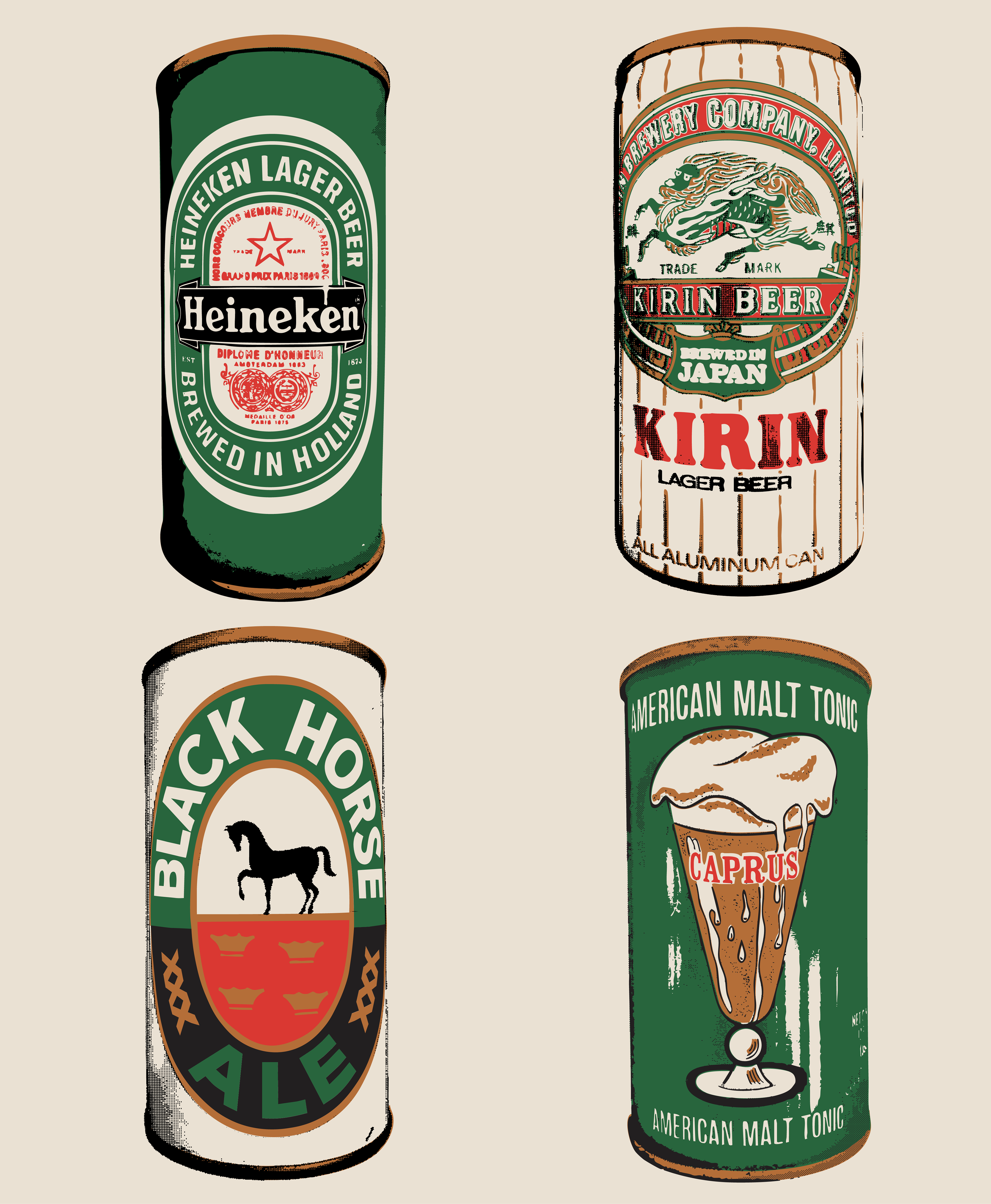
"Shelf Life – Paul's Collection," 2025, Screenprint 12.5" x 19"
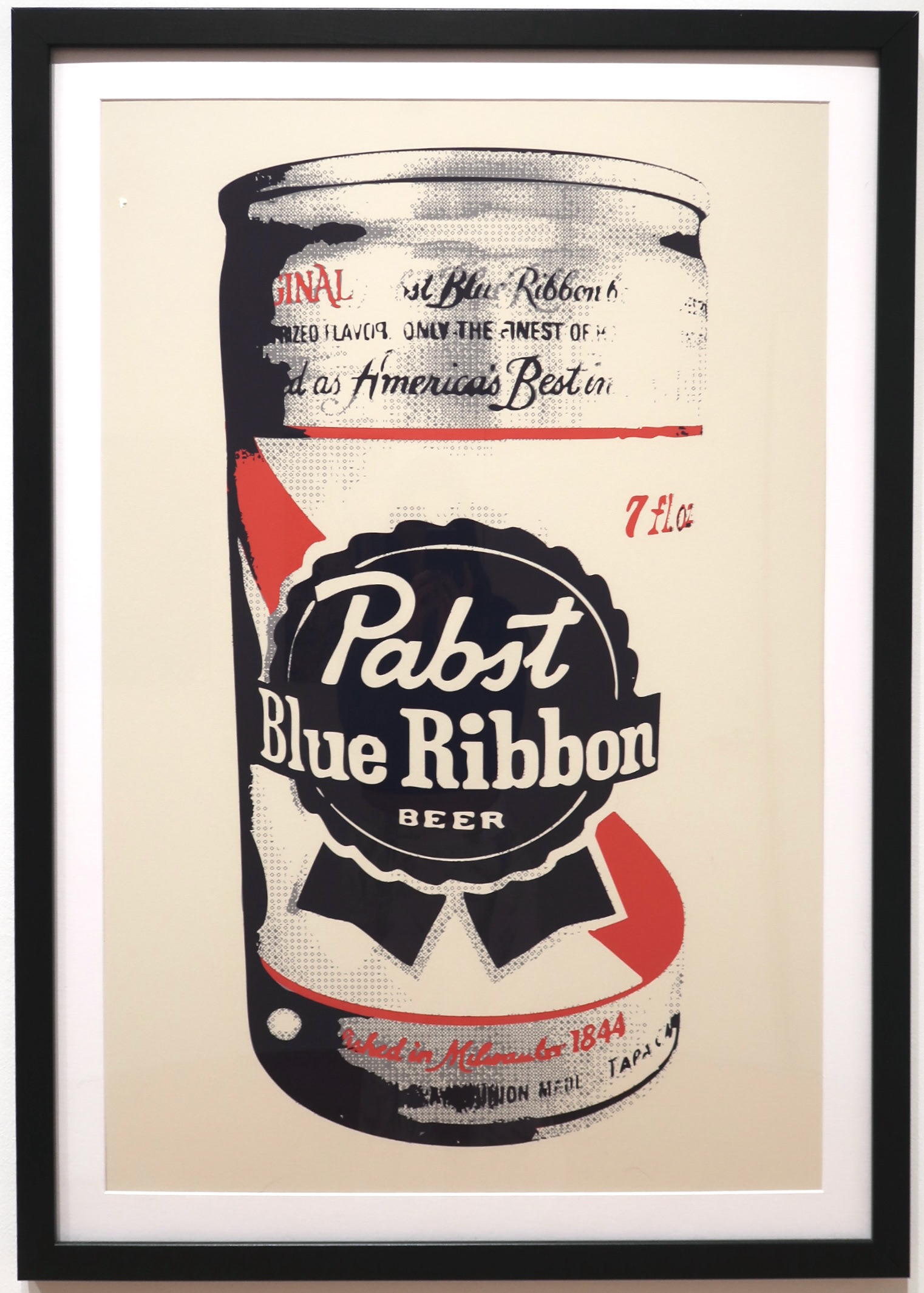
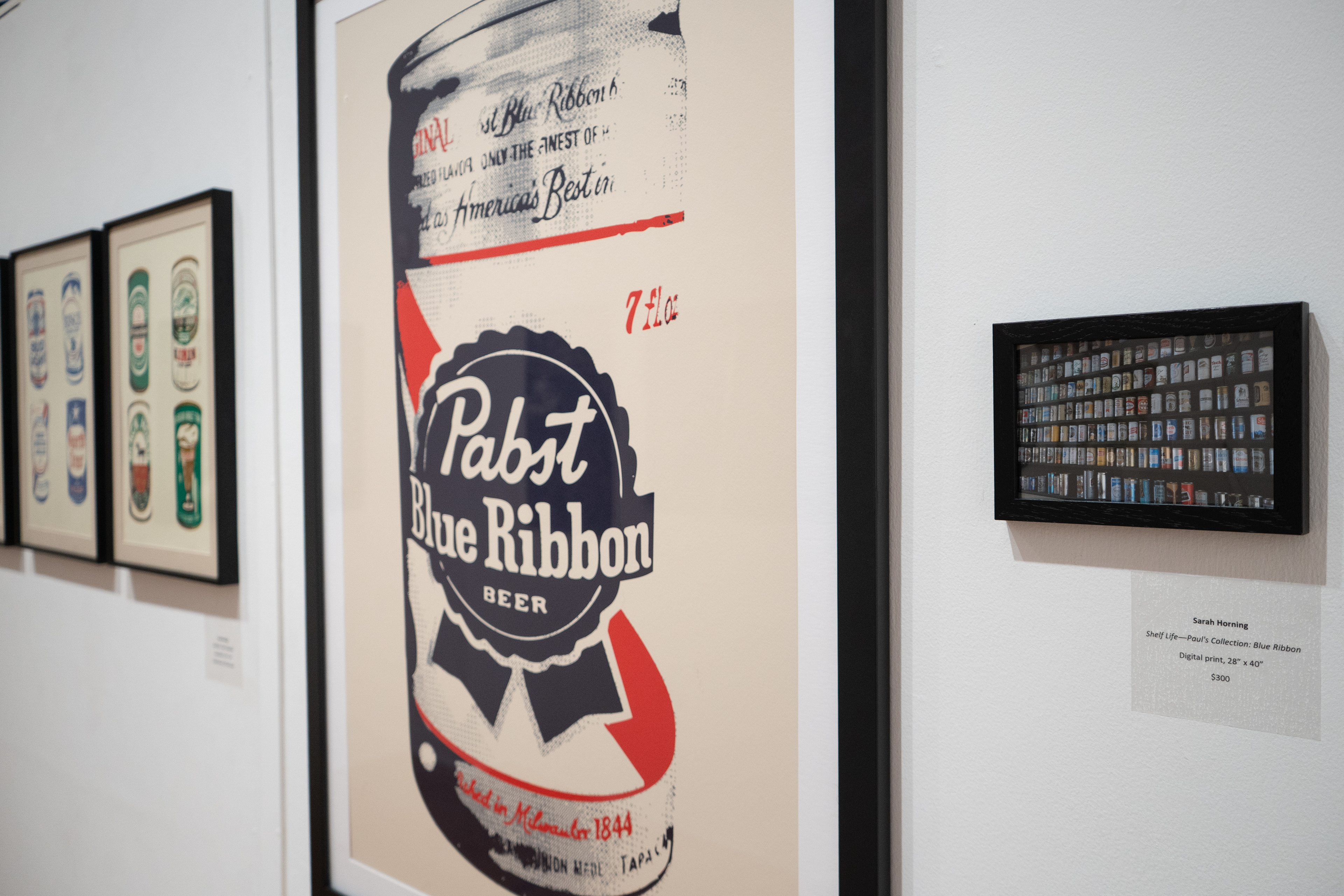
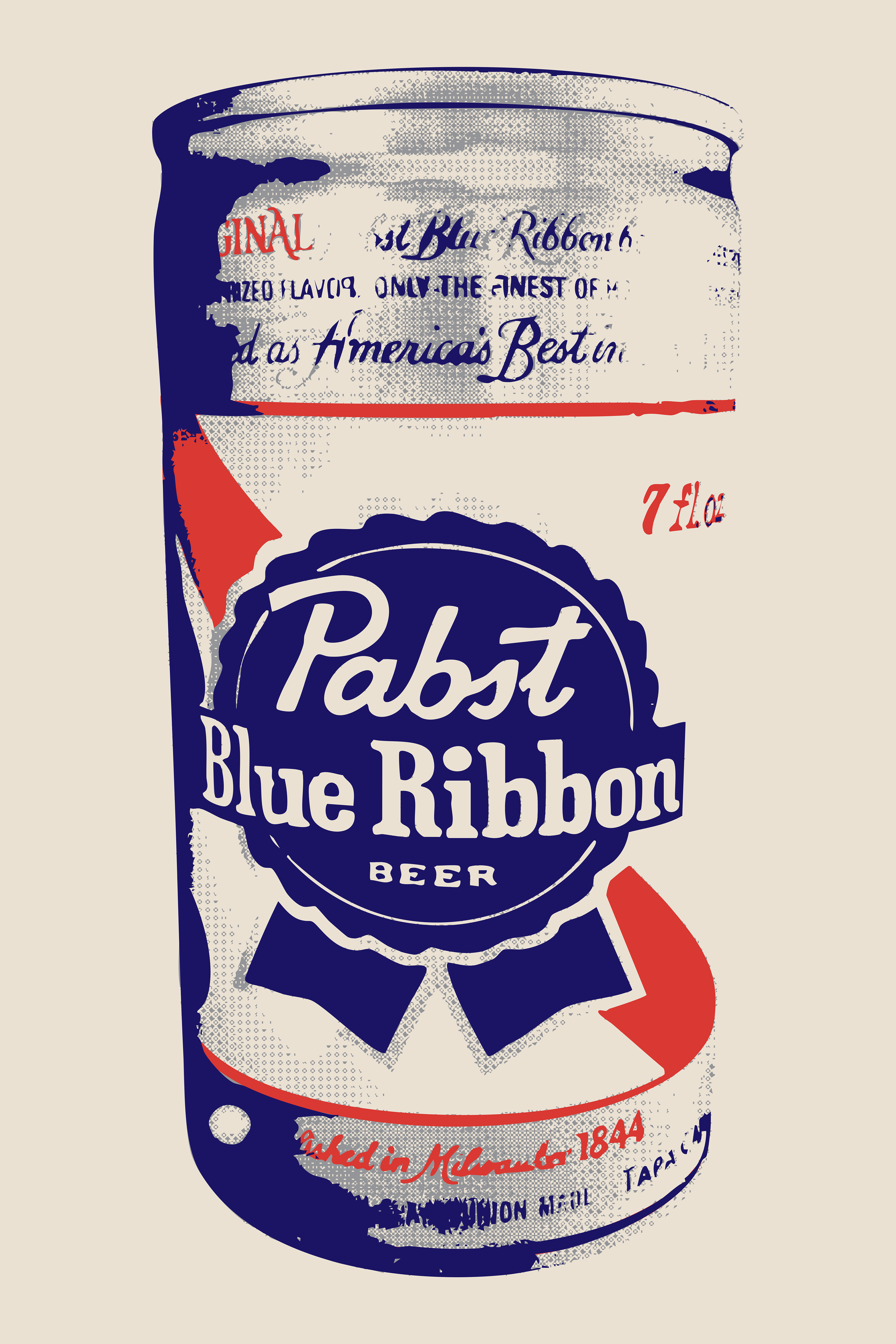
"Shelf Life – Paul's Collection: Blue Ribbon," 2025, Digital Print 28" x 40"
ARTIST STATEMENT
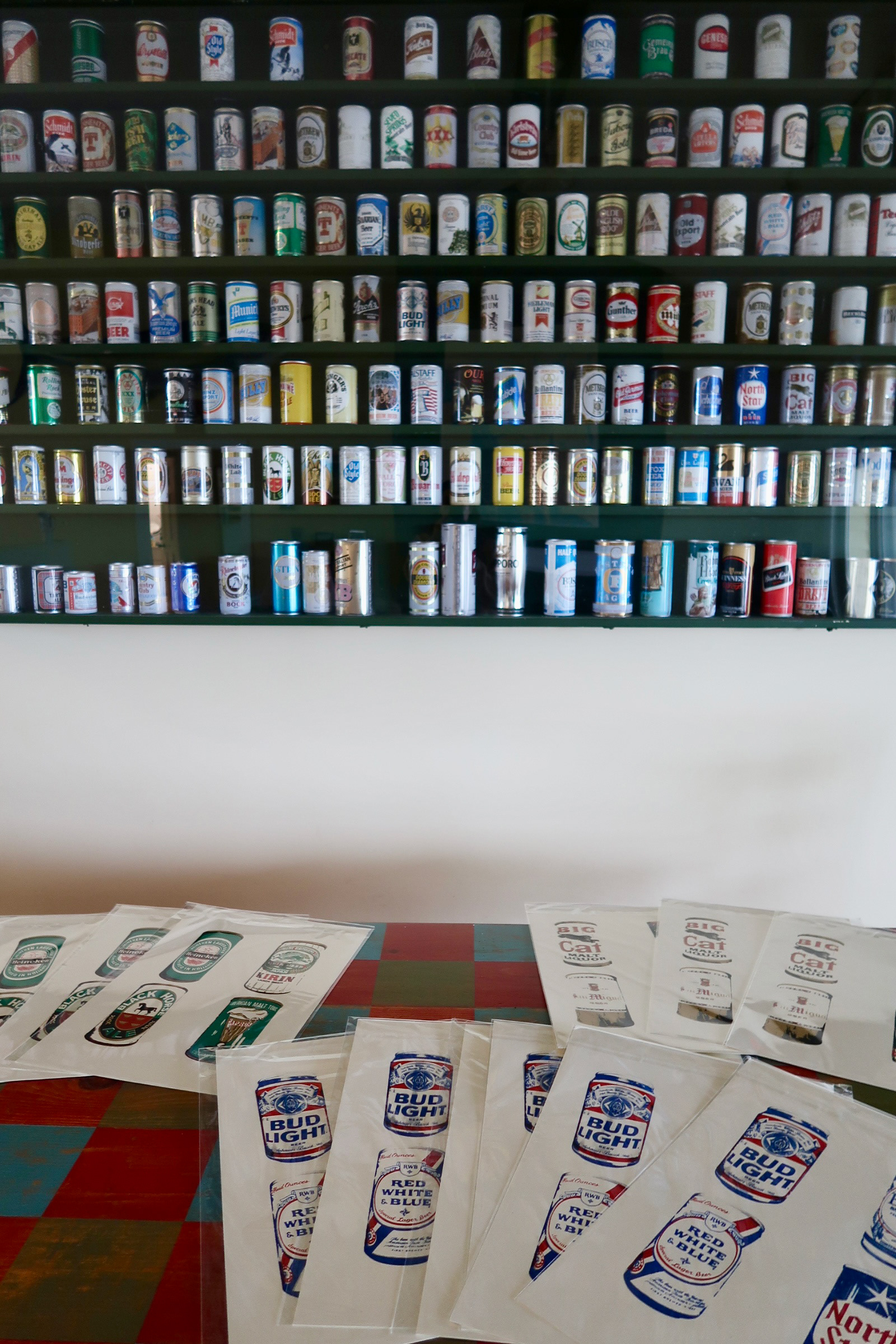
Through a fusion of digital art and screen printing, Shelf Life: Paul’s Collection pays homage to past graphic artists and their influence on today’s design world. Inspired by my father’s collection of 186 vintage beer cans, these prints function as a graphic design time capsule, preserving human history both culturally and artistically. As a graphic artist myself, I want Shelf Life to serve as a reminder of the importance of human design in everyday objects, especially in today’s world, which is increasingly produced by AI.
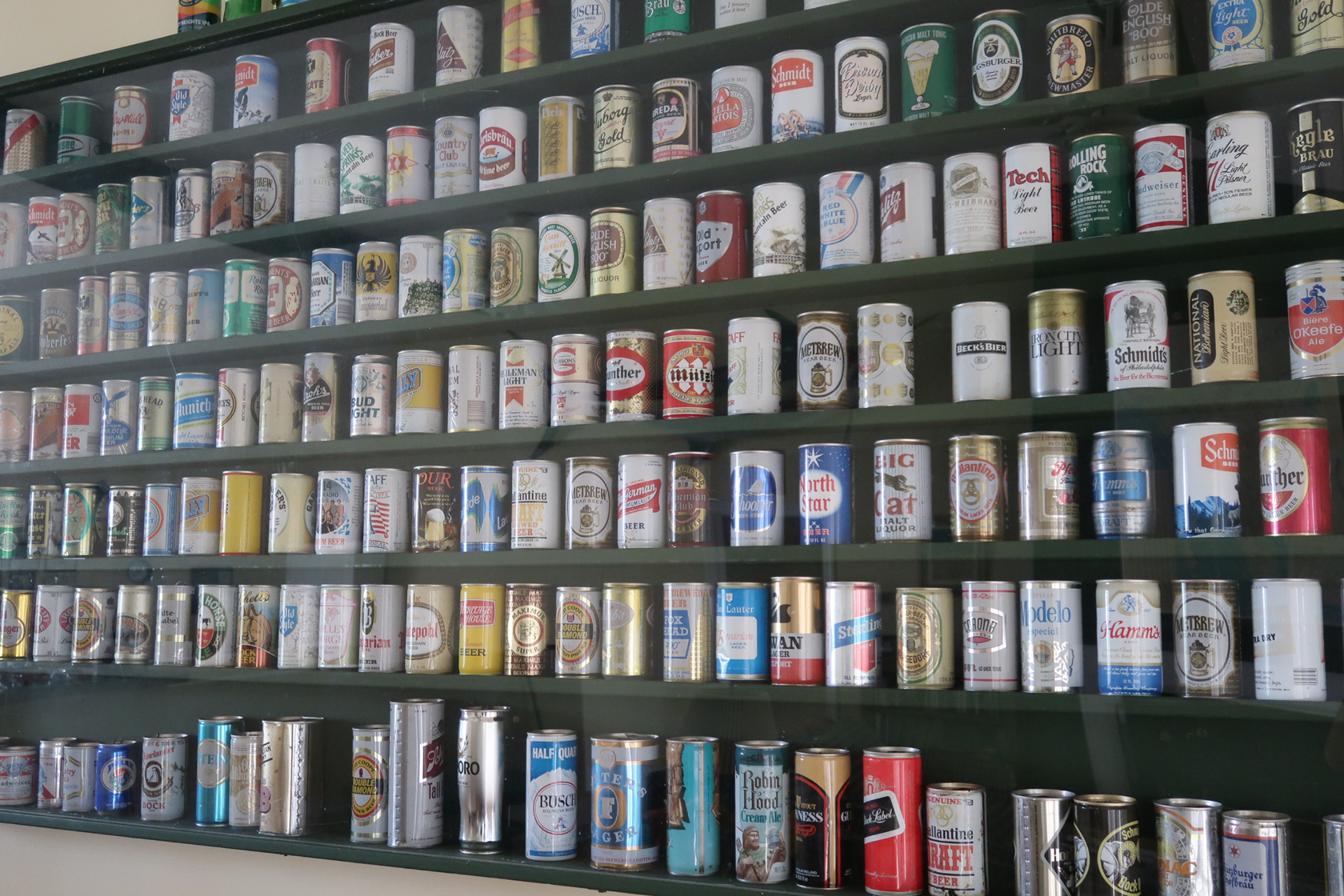
Photo of Paul's Collection
My process begins digitally: the cans are created using a combination of Adobe Illustrator and Photoshop techniques, including vector illustration, halftones, and thresholds. Each color layer is then printed and exposed to a screen using photo emulsion. Through this process, I am combining both digital and hands-on techniques of creating graphic art. As a digital artist, I’ve fallen in love with screen printing because it merges my passion for both digital and traditional methods; it’s a process rooted in the human hand. Early graphic artists like Andy Warhol, Alphonse Mucha, and Hokusai inspire my work, but Warhol’s Campbell’s Soup Cans is the primary influence behind Shelf Life, not only in process but also in message, as it celebrates the ordinary as art.
Andy Warhol once said of his Campbell’s Soup Cans, “I don’t think art should be only for the select few.” In that spirit, Shelf Life celebrates everyday objects as vessels of design history and personal memory. It ties together familial history, graphic design tradition, and human design. While Warhol focused on mass production, my work builds on his idea by demonstrating the importance of design in our everyday lives. It highlights the overlooked individuals who design our surroundings–often in everyday designs like beer cans–yet tend to blend into the background. I want to pay homage to these often overlooked artists who came before me, while also recognizing the need to uplift and support future artists. From digital design to screenprinting, my process highlights the importance and beauty of the human hand in design, a quality that AI cannot replicate. I hope that Shelf Life serves as a reminder that art is meant to be shared, accessible to all, and deeply individual.
SHELF LIFE DIGITAL ART:
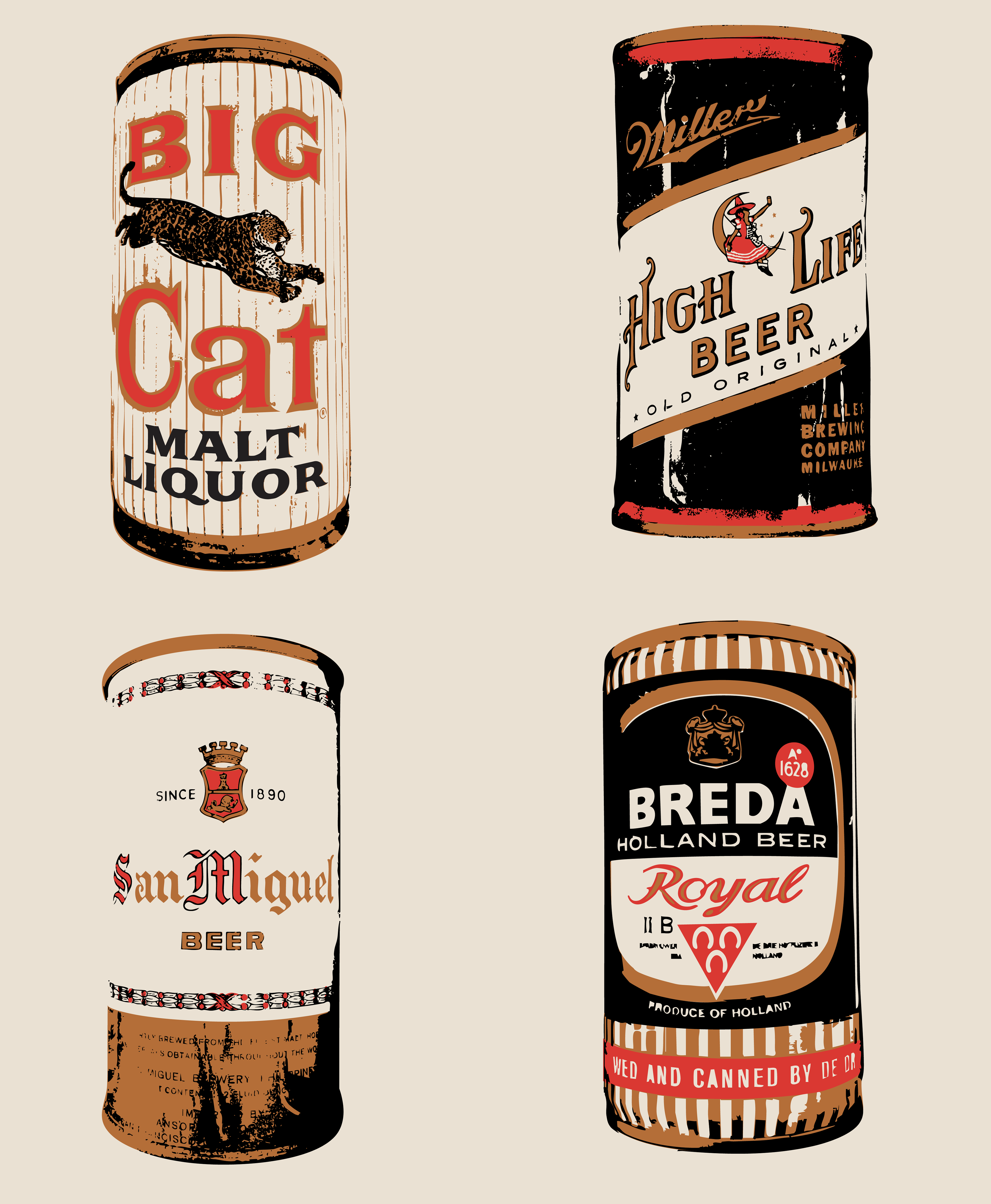
PROCESS PHOTOS:
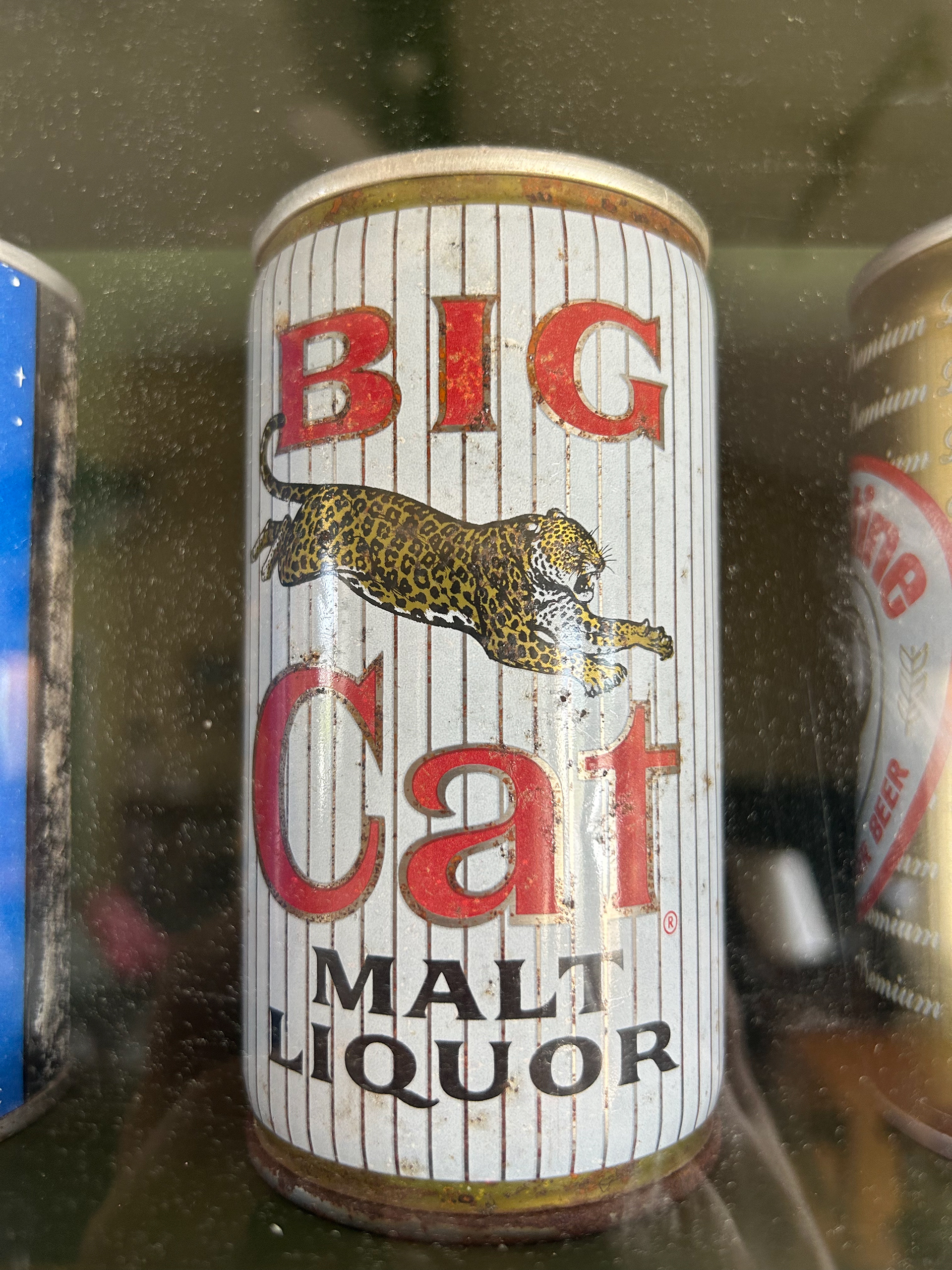
STEP 1: Photographing the can
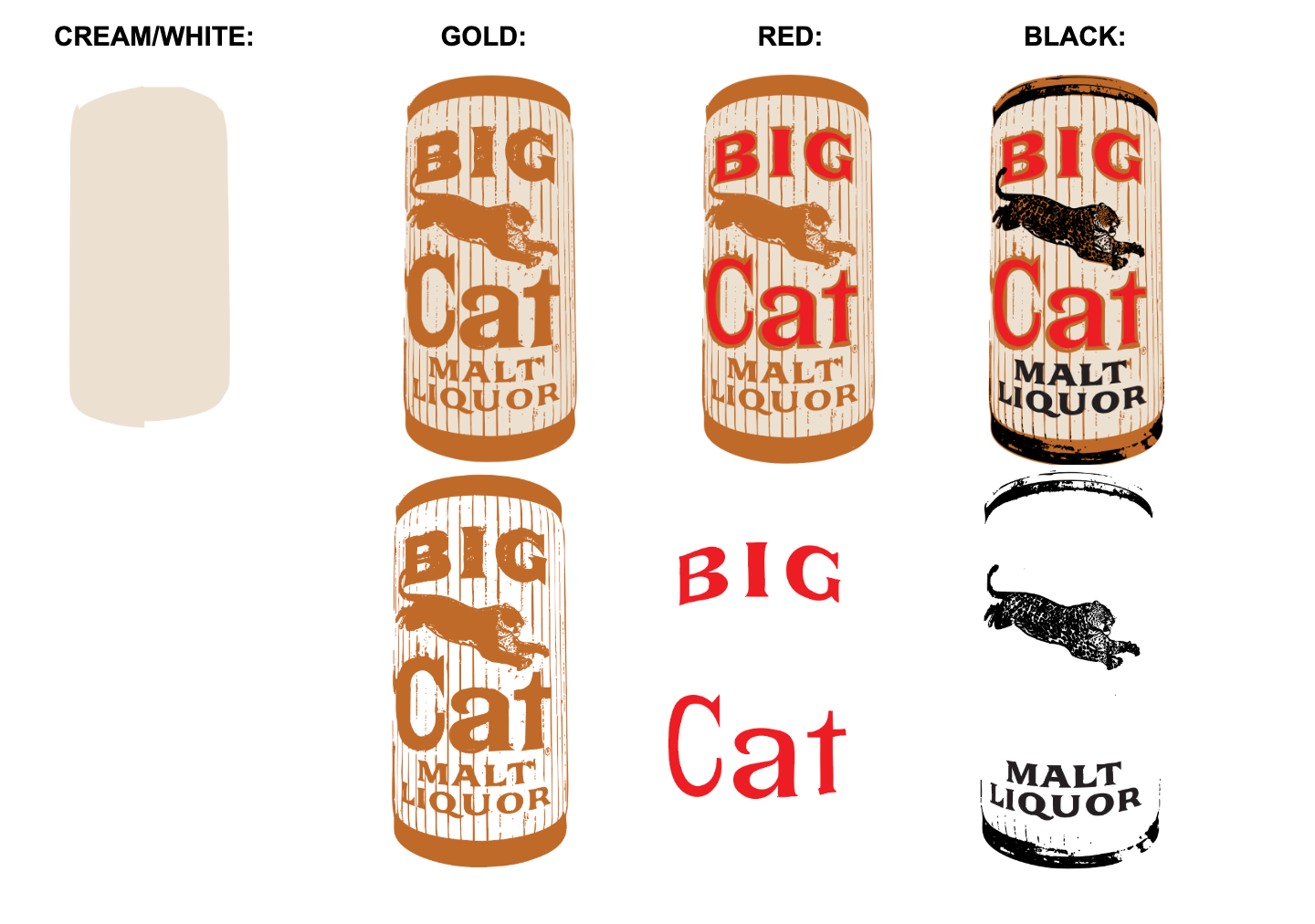
STEP 2: Creating the digital image and separating the color layers in printing order
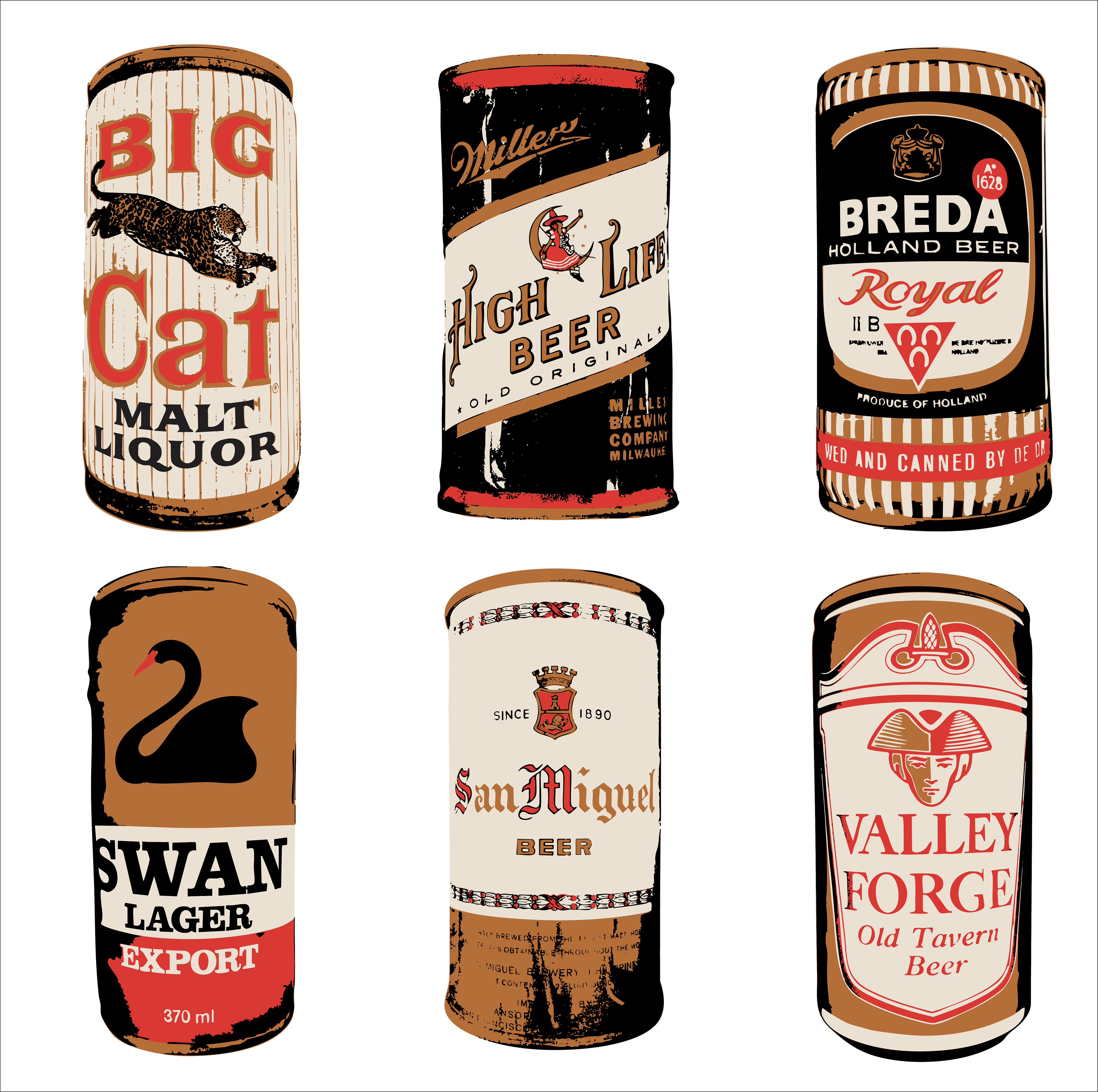
STEP 3: Creating multiple & selecting the final four cans
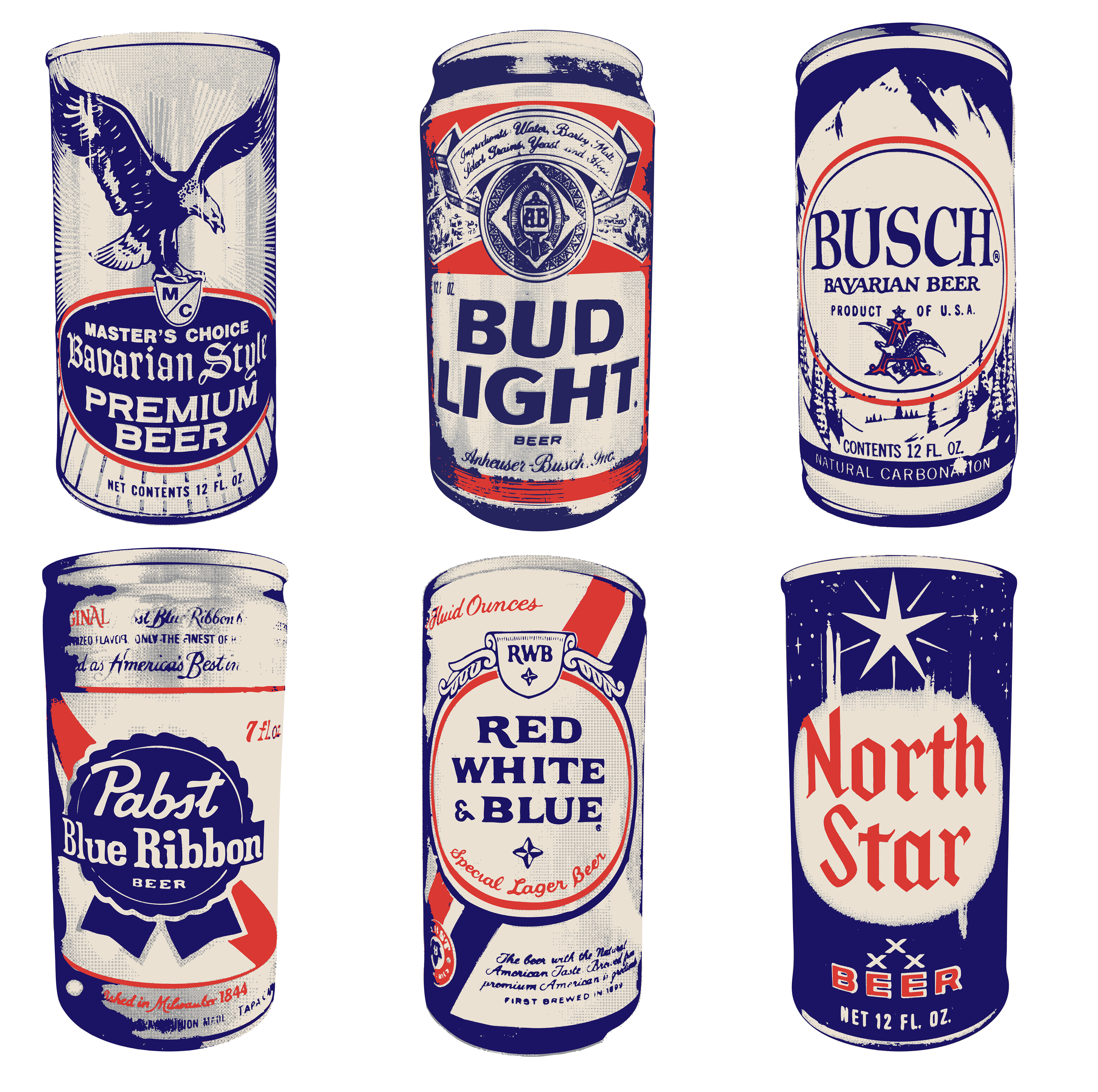
STEP 3: Creating multiple & selecting the final four cans
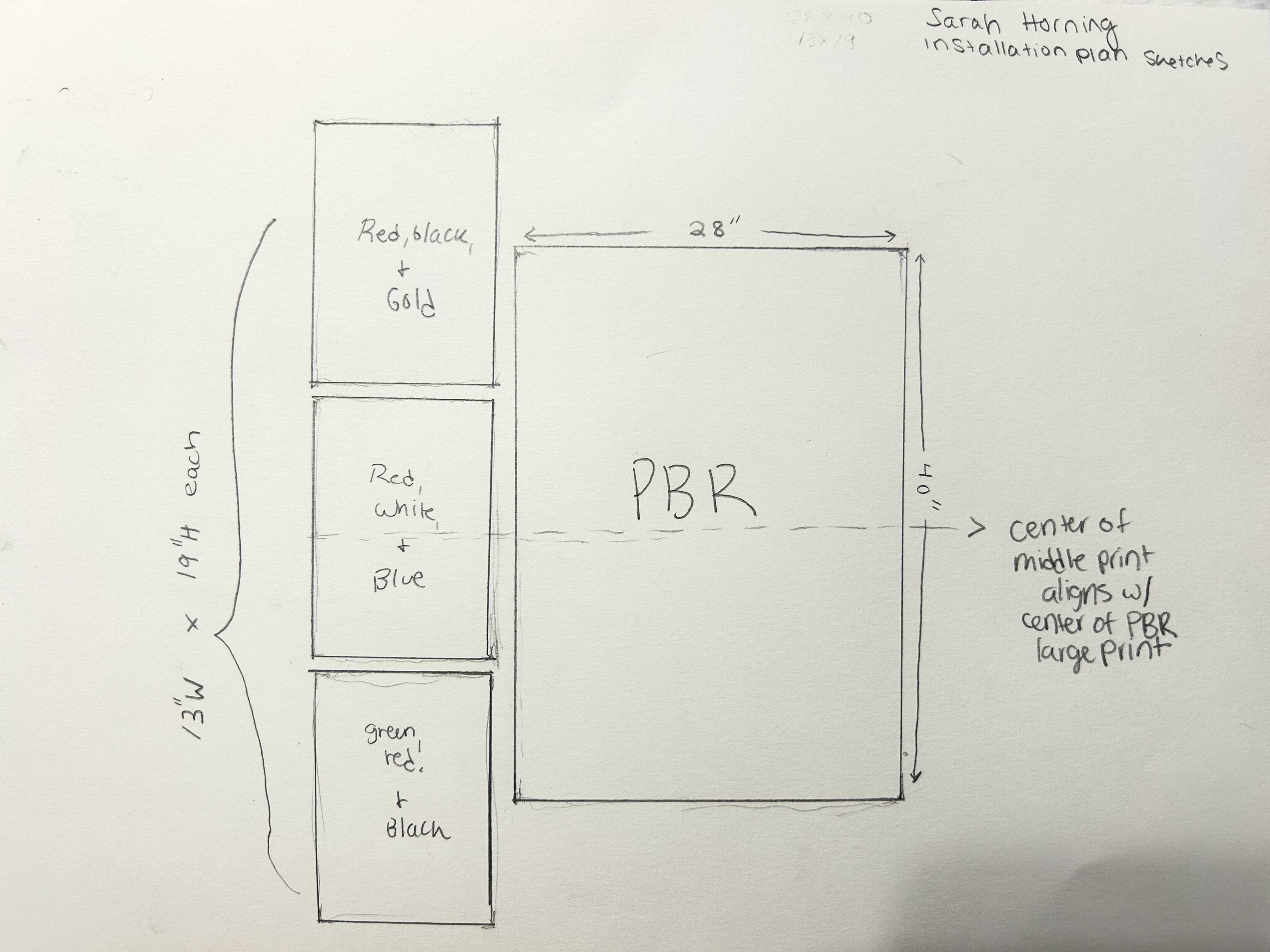
STEP 4: Experiment with exhibition layout

STEP 4: Experiment with exhibition layout
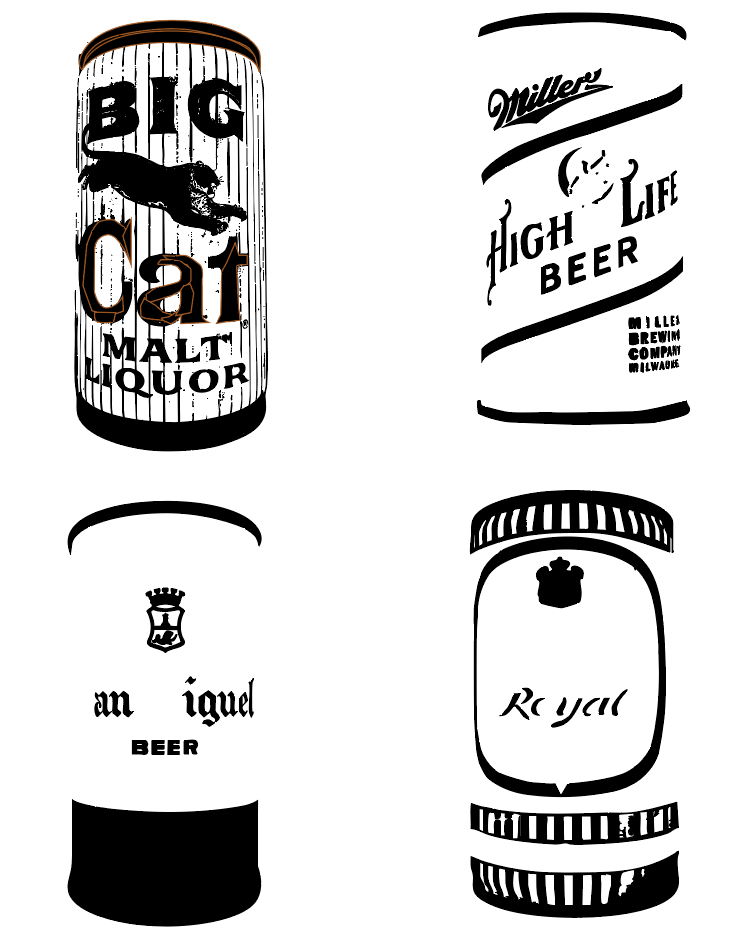
STEP 5: Convert all layers to black for print.
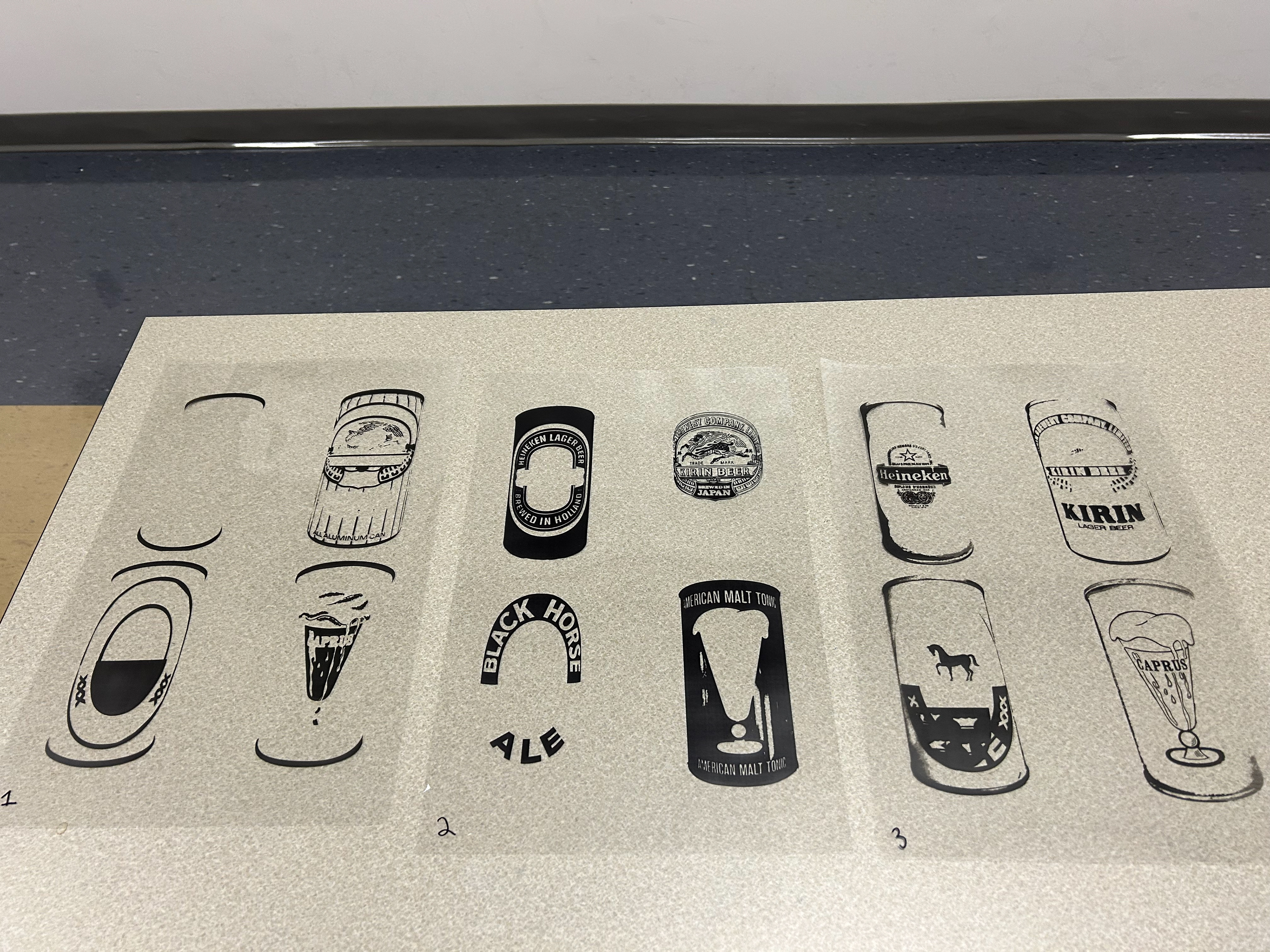
STEP 6: Printing each color layer separately onto transparent film
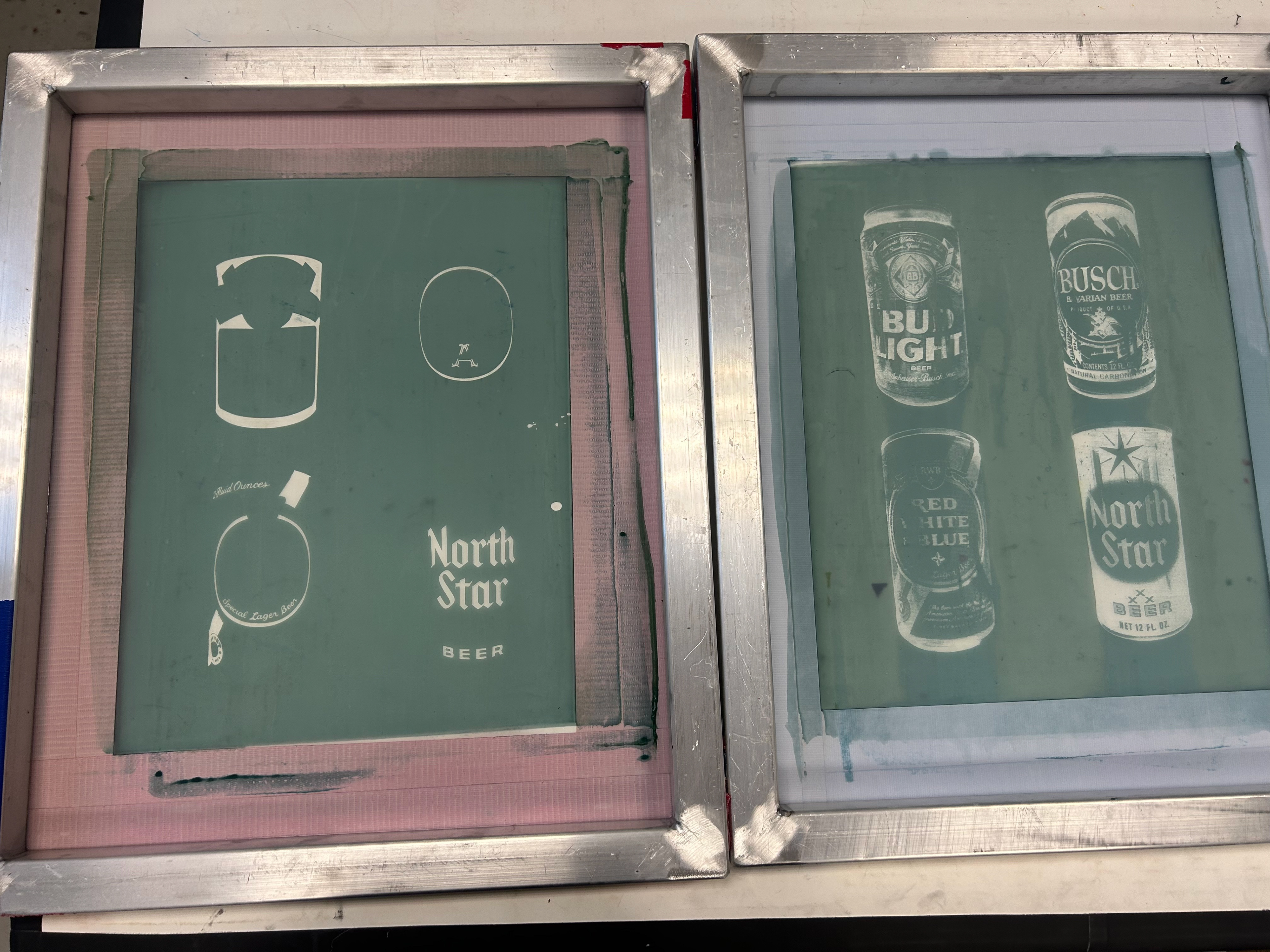
STEP 7: Expose the color layer to the screen using photo emulsion
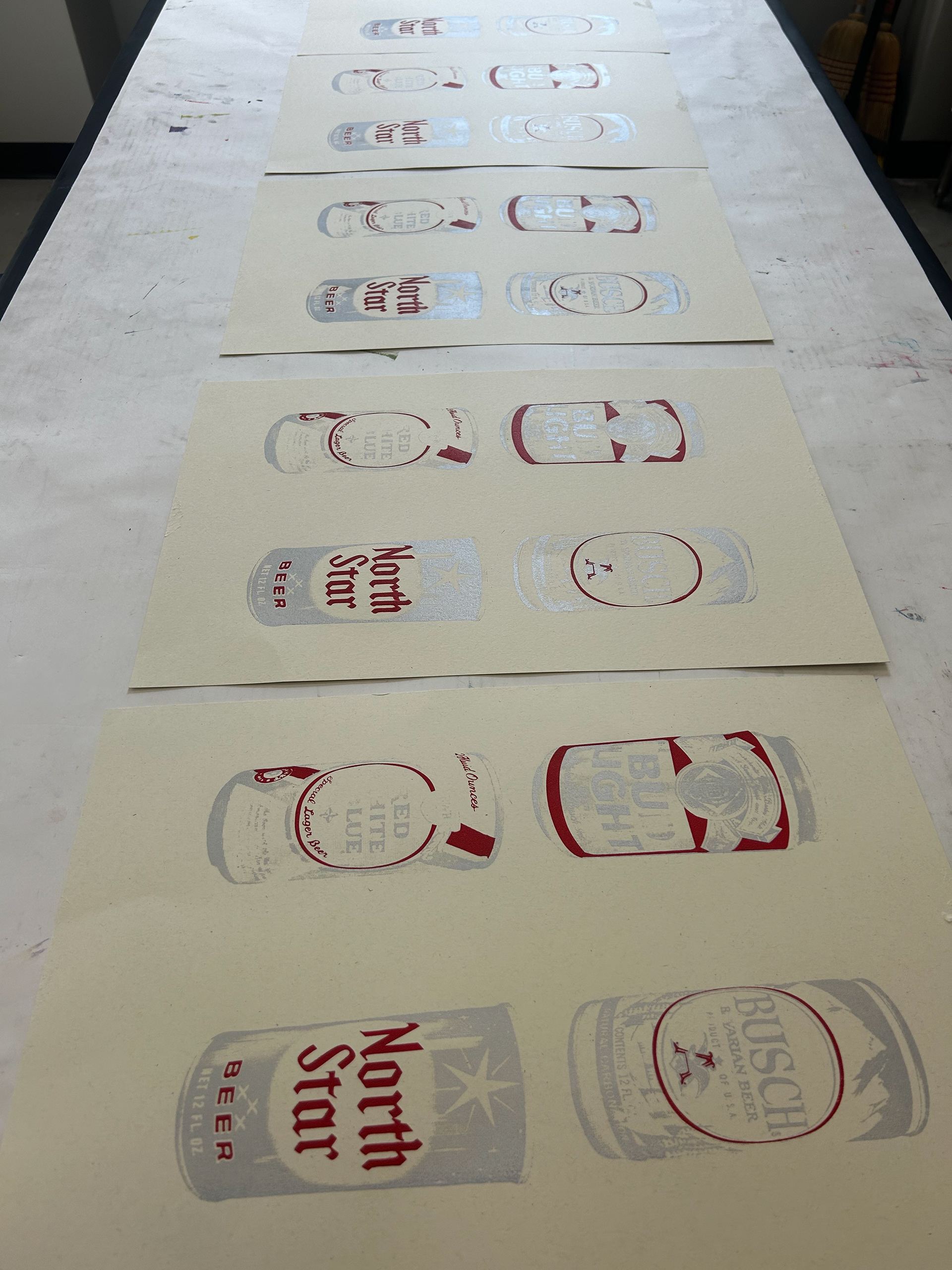
STEP 8: Print each color separately, in order
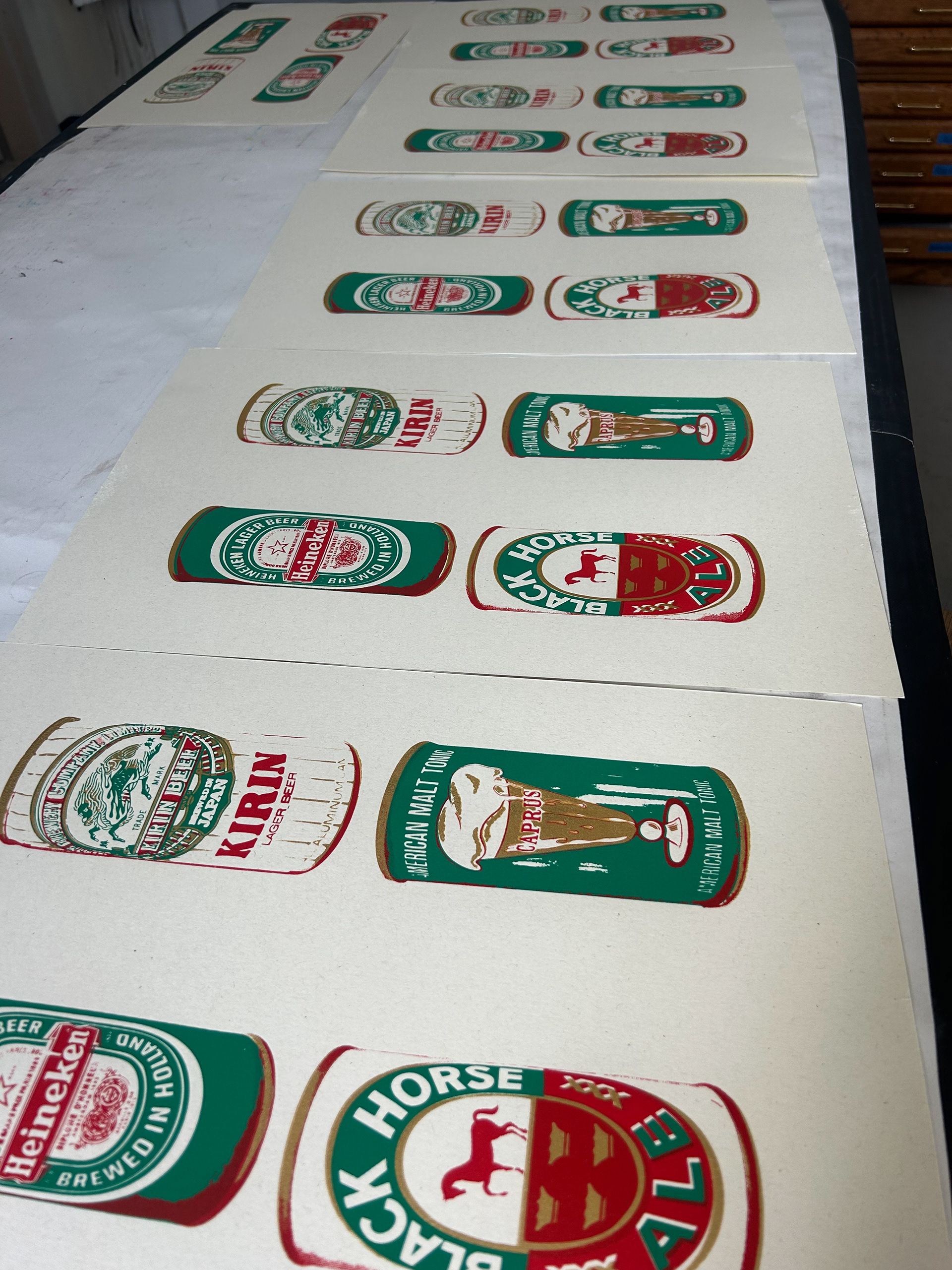
STEP 8: Print each color separately, in order
FINAL